
Quantum Computing
Quantum computing promises revolutionary breakthroughs using qubits that scale exponentially, transforming drug discovery, AI, and encryption. Though workable machines may arrive by decade’s end, experts urge enterprises to prepare now.
Quantum Computing
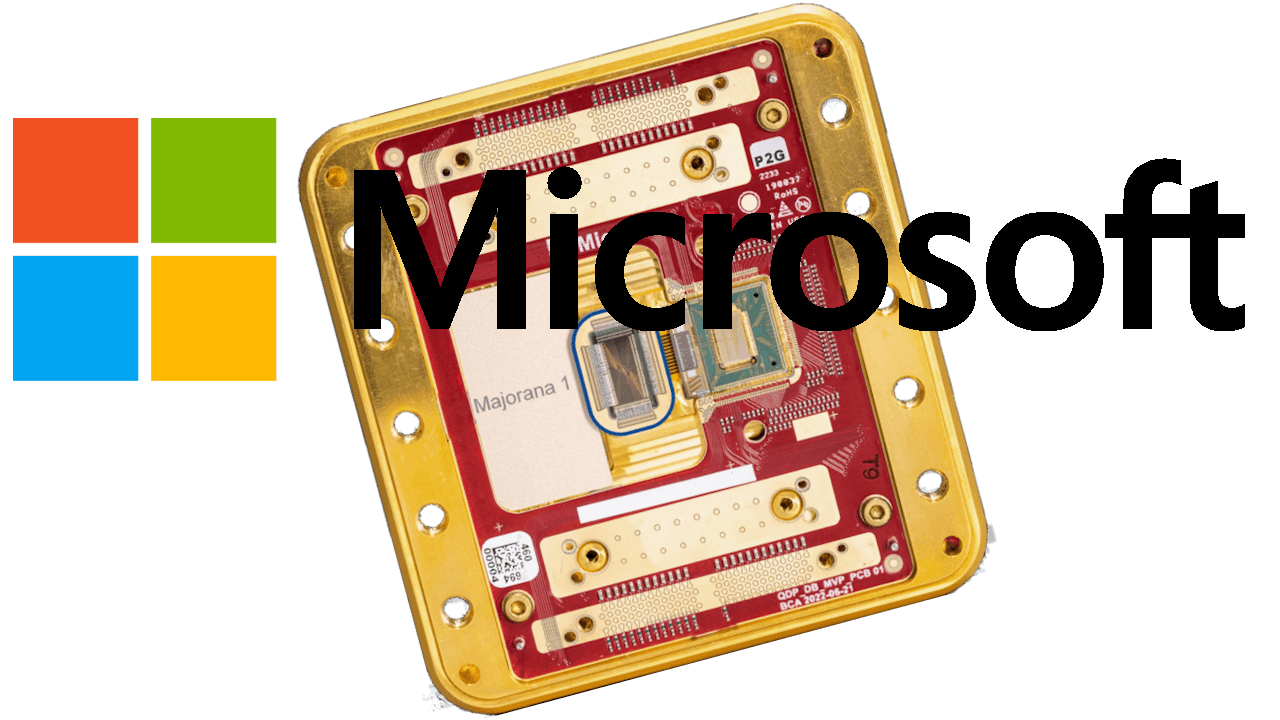
Microsoft claims a breakthrough in quantum computing through creating topological qubits and a new state of matter, though scientists remain skeptical due to past overhyped announcements in the field.
Quantum Computing
The UN has declared 2025 the International Year of Quantum Science and Technology, marking 100 years since quantum mechanics’ development. The field has enabled breakthroughs in computing, sensors, and technology, with potential future impacts on various industries.
Quantum Computing
STEM/STEAM Day (November 8) promotes science, technology, engineering, arts, and mathematics education. Created in 2015, it emphasizes preparing students for future technical careers through collaborative, creative learning approaches.

Quantum Computing
This article eulogizes James Harris Simons, a mathematician turned successful hedge fund founder who passed away at 86. It highlights his pioneering work in quantitative trading, his philanthropic efforts in science and education, and his significant impact on mathematics and finance.

Quantum Computing
The brilliant mathematician Avi Wigderson, the Herbert H. Maass Professor in the School of Mathematics at the Institute for Advanced Study, Princeton, was recently and deservedly presented with the Turing Award.

Quantum Computing
This article discusses the importance of Pi (π) in mathematics and everyday life, explaining the origins of National Pi Day and the International Day of Mathematics. It highlights ways to celebrate and engage students in mathematical concepts through fun activities.

Quantum Computing
Quantum computing is hailed as the next big breakthrough that will propel the world into a new and better future. Nevertheless, the challenges faced by those trying to create a universal, programmable quantum computer are daunting. Many analysts suggest we are at least a decade away from someone building the quantum computer for which researchers long.

Quantum Computing
Quantum computers rely on quantum bits (or qubits), which are notoriously fragile. This fragility means that quantum computers are also subject to errors. Fortunately, researchers are working furiously to overcome these challenges. Every breakthrough step brings the goal of a universal, programmable quantum computer a little closer.

Quantum Computing
Scientists simulated a wormhole using a quantum computer to explore a connection between quantum mechanics and general relativity. This experiment may bring us closer to understanding the universe, but it doesn’t create authentic wormholes for travel.


