
Philosophical Aesthetics
On the May 18 auction at Christie’s, and a debt I owe to the professor who showed me how to look

Philosophical Aesthetics
Victorian Christmas tradition paired ghost stories with holiday celebrations, reflecting shared fears and values. Dickens’ “A Christmas Carol” revived both Christmas observance and spooky storytelling, emphasizing community and compassion.
Philosophical Aesthetics
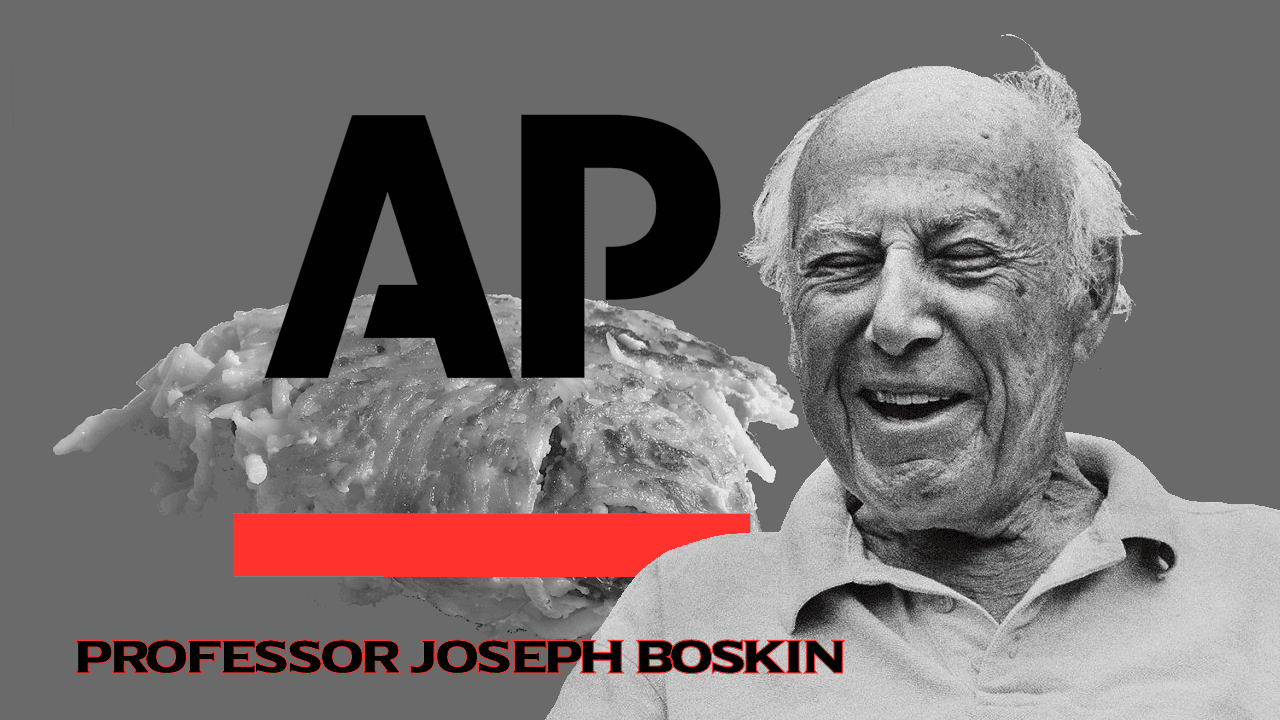
Professor Joseph Boskin invented a fake origin story about “King Kugel” for April Fools’ Day when pressed by an AP reporter, which was published nationwide before being exposed as a prank.

Philosophical Aesthetics
The article discusses how optimism is crucial for entrepreneurial success, with experts emphasizing that strategic optimism combined with realism helps entrepreneurs overcome challenges, make better decisions, and build lasting businesses.

Philosophical Aesthetics
Although Christmas still reigns supreme among holidays in the United States, Halloween is gaining ground. According to journalist Francisco Velasquez, Halloween is creeping up on Christmas like a specter in a haunted

Philosophical Aesthetics
The Greek philosopher Socrates once stated, “Wonder is the beginning of wisdom.” If we are going to enjoy the beauties of this world, we need to foster our sense of wonder and curiosity. Later in life, Albert Einstein wrote to a friend, “People like you and me never grow old. We never cease to stand like curious children before the great mystery into which we were born.”

Philosophical Aesthetics
Food is one of life’s greatest pleasures. People usually think solely about the taste of food; however, the pleasure food provides relies on all our senses. Understanding the relationship between food and our senses can help us increase our love of dining.

Philosophical Aesthetics
Creative people, whether artists, musicians, designers, engineers, or business leaders, share several traits in common. Among them are a sense of curiosity, imagination, and an ability to see potential in serendipity discoveries.

Philosophical Aesthetics
Today, there is a stress on being utilitarian. If something is not immediately deemed useful, it’s considered wasteful. In an inciteful essay, Dr. Abraham Flexner, the first Director of the Institute for Advanced Study, argues that there is great value in so-called useless knowledge.


