

Applied Mathematics
Human Machine Connection
Book Reviews
Philosophical Aesthetics
Quantum Computing
Global Value Chains
Peace and Stability Operations
Autonomous Intelligent Enterprise
Artificial Intelligence

Global Value Chains
The K-shaped Economy is Not So Special
The K-shaped economy divides Americans: wealthy households thrive with asset appreciation while lower-income families face structural disadvantages. Top 10% now account for half of all consumer spending.

Global Value Chains
VUCA Is Dead. What Killed It — and What Comes Next — Matters More Than You Think
VUCA became outdated corporate wallpaper. BANI better names today's reality: brittle systems, anxious decisions, non-linear shocks, incomprehensible complexity. But behavioral responses alone aren't enough — engineered, mathematically rigorous systems are essential.
Global Value Chains
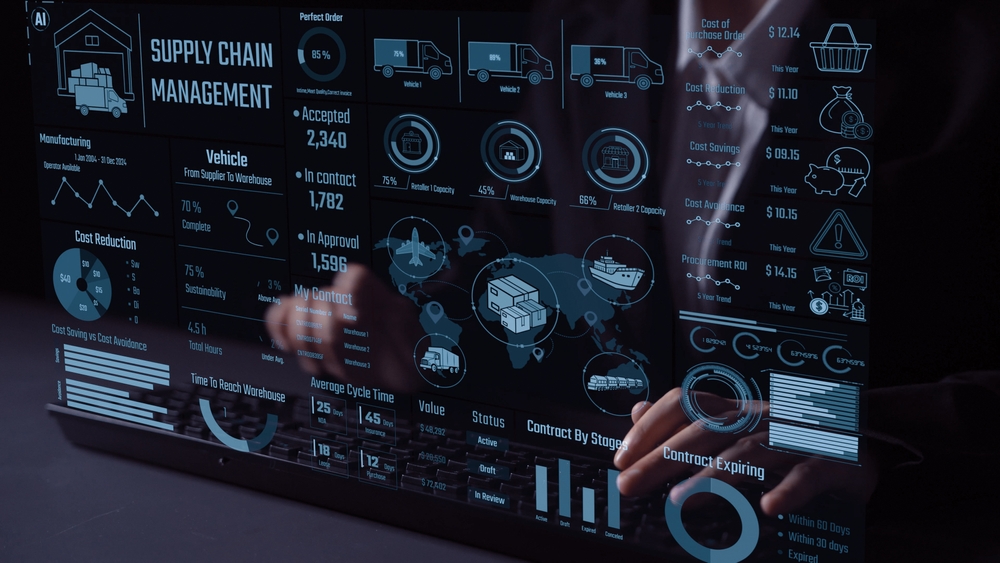
Supply Chain’s Digital Conundrum
Supply chains face escalating cybersecurity threats across logistics, fraud, and operational technology. Experts urge collaboration, proactive risk mapping, and AI-powered defenses to combat increasingly sophisticated, AI-driven attacks targeting interconnected global systems.
Global Value Chains
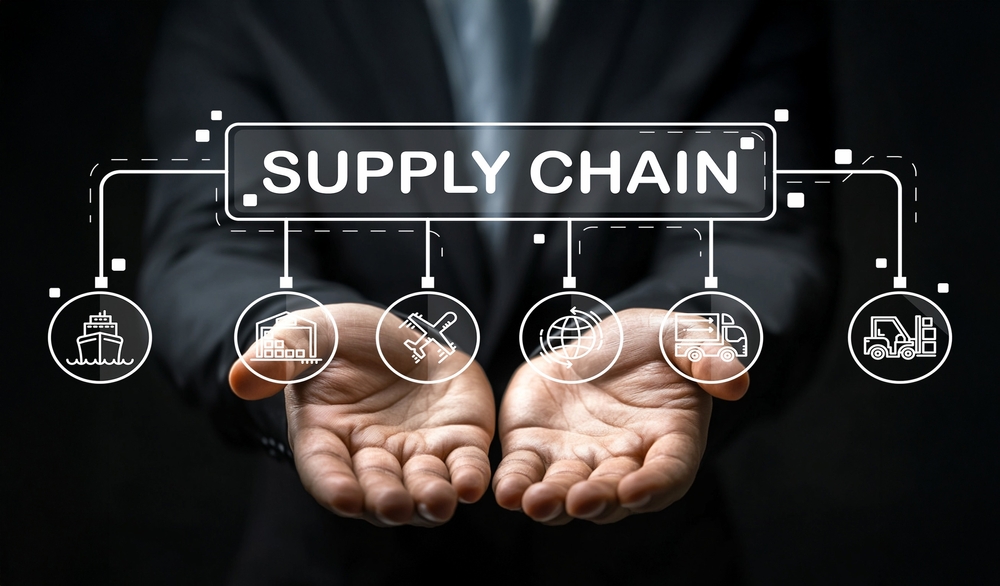
2026 Supply Chain Technology Trends
Modern supply chains must evolve from efficiency-focused to uncertainty-engineered systems. AI, scenario planning, autonomous agents, and workforce augmentation create connected networks that transform complexity into competitive intelligence through data collaboration.

Global Value Chains
Praise Cheeses!
Recent studies challenge cheese's unhealthy reputation, showing that daily consumption of about 1.5 ounces may reduce heart disease and stroke risk. High-fat cheese is also linked to lower dementia risk.

Global Value Chains
Cybersecurity: A Growing Supply Chain Risk
Cybersecurity emerges as supply chain's defining risk, with 70% of executives flagging threats by 2030. Supply chain interdependencies create vulnerabilities as digital and physical systems converge, demanding proactive defense strategies.
.jpg)
Personal Dispatches: Reflections on today’s society through the lens of Fortune Magazine December 1941

Global Value Chains
Time to Reflect on Supply Chain Risk Management
The article discusses supply chain risk management and how businesses can improve resilience. It emphasizes learning from past disruptions, keeping risk management plans up-to-date, and using data and analytics to make better decisions.

Global Value Chains
Towards a Cognitive Internet of Things
The article explores the future of the Internet of Things (IoT) where devices will be able to analyze data and act on it, without needing human intervention. This "cognitive IoT" is likened to a brain, receiving data from sensors (nervous system) and using it to take actions. Experts believe cognitive IoT will revolutionize various industries and is the next step after the current, data-collecting IoT.
Global Value Chains
Towards a Cognitive Internet of Things
This article discusses the Internet of Things (IoT) and how it will become cognitive. Cognitive IoT devices will be able to analyze data and take actions without human intervention. The article concludes that while there are challenges, cognitive IoT is the future.

Global Value Chains
Industry 4.0: A Revolution Still in the Making
Industry 4.0, the digital transformation of manufacturing, is still developing. It offers benefits like increased productivity and better quality control but also presents challenges like new business models and cybersecurity risks. Companies need to embrace this change to stay competitive.